Air Pollution and Erectile Dysfunction: What the Research Really Shows

Studies from 2024 to 2026 link years of breathing dirty air with a higher risk of erection problems and lower sperm quality. Here is how strong the evidence really is, and what men in Delhi and other smoggy cities can do about it.
Is there a real link between air pollution and erectile dysfunction? Possibly, yes. Studies from 2024 to 2026, including a nationwide Taiwanese cohort, link long-term exposure to fine dust (PM2.5) and traffic gases with a higher risk of erection problems, probably by damaging blood vessels. Pollution is usually one cause among several, and ED is common and treatable.
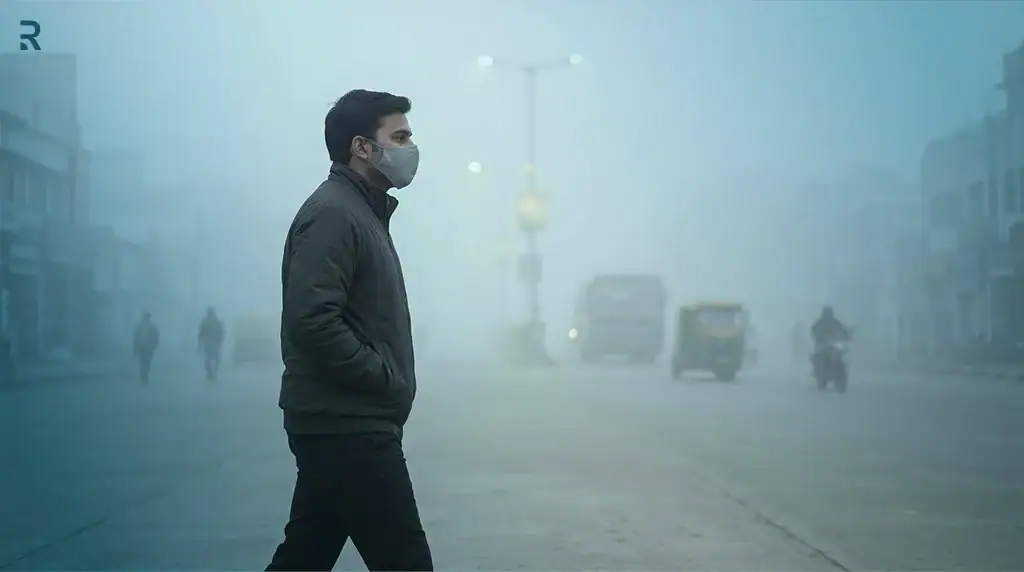
If you live in Delhi NCR, you already know what November feels like: grey skies, burning eyes and AQI alerts on your phone every morning. It is natural to wonder what all that smoke is doing to the rest of your body, including your sex life and your chances of becoming a father.
It explains what the research actually shows (and what it does not), how pollution may affect erections, sperm and hormones, and practical steps that work in an Indian city. It also fits into a bigger picture: pollution is just one of the root causes of sexual problems in men, and it rarely acts alone.
A quick note before we start. Erectile dysfunction (ED) simply means trouble getting or keeping an erection firm enough for sex. It is not a weakness or a failure. If you want the full picture first, read our guide to erectile dysfunction causes and treatment, then come back here.
Does air pollution cause erectile dysfunction?
It may raise the risk, but it has not been proven to cause ED on its own. Several recent studies link long-term exposure to PM2.5 and traffic gases such as nitrogen dioxide (NO2) with more erection problems, though most of this evidence shows an association, not a direct cause, and almost none of it comes from India.
The research is young. The first human study appeared only in 2017, and most of the stronger work has been published since 2024. So the honest answer is "probably a contributor, especially over many years", not "the main reason your erections have changed".
What the studies actually found
Here is a plain summary of the main studies, with an honest read on how strong each one is.
| Study | Who was studied | What it found | How strong is it? |
|---|---|---|---|
| USA, 2017 (Environmental Health) | 412 men aged 57 to 85 | Slightly more ED with higher PM2.5 and NO2, but the result was not statistically significant | Weak: small study, could be chance |
| Rat study, 2019 (Journal of Sexual Medicine) | Laboratory rats exposed to petrol exhaust | Long-term exhaust exposure caused erection problems and blood vessel damage | Animal only: shows a possible mechanism, not proof in humans |
| China, 2024 (Journal of Hazardous Materials) | 5,047 men across China | NO2 exposure over the previous 1 to 6 months linked to lower erection scores; PM2.5 over 12 months linked to worse premature ejaculation scores | Moderate: large study, but it shows a link, not a cause |
| Genetic study, 2025 (The Aging Male) | UK Biobank data, using genes as a natural experiment | Genetically predicted PM2.5 exposure linked to about 1.65 times the odds of ED | Moderate: a clever method, but it relies on assumptions |
| Taiwan, 2026 (Andrology) | Nationwide health insurance records, 4,936 new ED cases | Ten years of exposure to most pollutants, including PM2.5, PM10, NO2 and sulphur dioxide, linked to a higher ED risk; ozone was the exception | The strongest so far: large and long, but still observational |
Put together, the direction is consistent: more pollution over more years, more erection trouble. But none of these studies can tell you whether pollution is behind your symptoms. That needs a proper check, which we cover below.
How dirty air may affect erections
An erection is mainly a blood flow event. When you are aroused, the lining of the blood vessels in the penis (the endothelium) releases nitric oxide, which relaxes the vessel walls so blood can rush in. Anything that harms that lining can weaken erections.
Fine particles like PM2.5 are small enough to pass from the lungs into the bloodstream. Researchers believe they trigger:
- Oxidative stress: a build-up of harmful molecules that damage cells, including the cells lining blood vessels.
- Inflammation: a low-grade, body-wide inflammatory response that stiffens arteries over time.
- Less nitric oxide: the very chemical an erection depends on.
- Possible hormone effects: some pollutants may disturb testosterone production, though this is less clear.
This is the same pathway through which pollution raises the risk of heart attacks and strokes. That matters because erection problems are often an early sign of blood vessel trouble elsewhere in the body.
Can pollution affect premature ejaculation too?
Possibly, but the evidence is very thin. The 2024 Chinese study is the only large one to look at it, and it found that men with higher PM2.5 exposure over the past year had slightly worse scores on a standard premature ejaculation questionnaire.
No study has shown that pollution directly causes premature ejaculation (PE). Stress, performance anxiety, thyroid problems and habits are far more common drivers. If PE is your main concern, our guide to premature ejaculation treatment is a better place to start.
Does air pollution lower sperm count and fertility?
Yes, modestly. The fertility evidence is actually more consistent than the erection evidence: a 2023 review of 11 studies found that dirtier air was linked to lower sperm concentration and slightly weaker sperm movement, although the effect for any one man is small.
What the research shows on sperm
The 2023 meta-analysis in Science of the Total Environment pooled results from 11 studies. It found that:
- Each 10 µg/m³ rise in PM10 was linked to about 2% lower sperm concentration.
- Each 10 µg/m³ rise in sulphur dioxide (SO2) was linked to about 9% lower sperm concentration.
- PM2.5 and PM10 were linked to a small drop in sperm movement (motility), of around 1% or less per 10 µg/m³.
- Semen volume did not change.
Those numbers sound small, and for a single man on a single day they are. But in Delhi, winter PM levels are often many times the WHO guideline, so the exposure adds up over months. The good news is that sperm are constantly being made, and a new batch takes roughly two to three months to mature. That means improvements in your habits and exposure can show up in a repeat test.
Heavy metals, factory work and dirty water

Air is not the only route. Heavy metals such as lead, pesticides and industrial chemicals can reach the body through water, food and the workplace. In parts of India, untreated factory waste has been dumped into rivers, adding lead, ammonia and cyanide to water that people and crops depend on.
Men who work closely with these substances carry the highest risk. That includes workers in chemical, battery, paint, metal and dyeing units, as well as farm workers who spray pesticides without protection. If this describes your job, wearing the protective gear provided, taking regular breaks away from fumes and washing well before you eat or go home are simple steps that reduce what your body absorbs.
Do plastics and microplastics affect testosterone and erections?
Possibly. Some chemicals found in plastics, such as BPA and phthalates, can interfere with hormones and have been linked to lower testosterone in some studies. A small 2024 study found microplastics inside penile tissue, but no study has yet shown that microplastics cause erectile dysfunction.
Endocrine disruptors: BPA, phthalates and PCBs
Endocrine disruptors are chemicals that can mimic or block the body's own hormones. Three come up most often:
- BPA (bisphenol A): used in some hard plastics, food can linings and older water bottles.
- Phthalates: used to make plastics soft, and found in some food wraps, packaging and scented products.
- PCBs (polychlorinated biphenyls): older industrial chemicals, now banned in many uses, that still linger in soil, water and some fish.
Some studies link higher levels of these chemicals to lower testosterone and poorer sperm quality. Low testosterone can reduce sex drive and, in some men, weaken erections. If you notice tiredness, low desire and loss of morning erections together, read about the signs of low testosterone, and remember that a simple blood test is the only way to know your level.
What the microplastics research does and does not show
In a 2024 study published in the International Journal of Impotence Research, researchers in Miami tested penile tissue from six men having implant surgery for ED. Microplastics were found in 80% of the samples. That tells us these particles can reach penile tissue. It does not tell us they caused the ED, and six men is a very small sample.
You do not need to panic about every plastic item at home. A few low-cost Indian swaps cut your exposure sensibly:
- Use a steel tiffin or glass box instead of plastic for hot food.
- Never microwave food in plastic containers or cling film.
- Store dal, pickles and oil in glass or steel jars.
- Do not leave plastic water bottles in a hot car or in direct sun.
- Choose a steel or copper bottle for daily use.
Is pollution the real cause of your erection problem?
Rarely on its own. Pollution usually adds to other, more common causes such as smoking or gutkha, alcohol, diabetes, high BP, high cholesterol, thyroid problems, stress and poor sleep. Finding the main cause matters more than blaming the air, because each one is treated differently.
Here is why the root cause matters. Two men can describe exactly the same erection problem, yet the reason behind it can be completely different. For one it is uncontrolled blood sugar. For another it is stress and four hours of sleep a night. For a third it is a pack of cigarettes a day plus a smoggy commute. Giving all three the same pill misses the point.
The common root causes fall into five groups:
- Nutrition: a diet low in protein, fruit and vegetables, or high in fried and processed food.
- Hormones: low testosterone or a thyroid imbalance.
- Stress and sleep: work pressure, relationship worries and too little rest.
- Habits: smoking, gutkha and other chewing tobacco, and heavy drinking. Read more on alcohol and erectile dysfunction.
- Conditions: diabetes, high blood pressure and high cholesterol.
Pollution sits on top of these. It is a background risk that makes blood vessels a little less healthy over years, and it hits hardest when combined with the habits and conditions above.
How does pollution compare with smoking?
Smoking is a much bigger and better-proven cause of ED. Tobacco smoke delivers a concentrated dose of the same harmful particles and gases straight into your lungs, many times a day. The link between smoking and erection problems is backed by decades of research, while the pollution link is still emerging.
So if you smoke and live in a polluted city, quitting cigarettes is by far the most powerful thing you can do for your erections. Second-hand smoke at home or work counts too. Our guide on smoking and erectile dysfunction explains how quickly things can improve after you stop.
Myths and facts about pollution and sex
| Myth | Fact |
|---|---|
| Pollution alone ruins your sex life. | Pollution is usually one factor among several. Smoking, diabetes, BP and stress are far more common causes. |
| A mask protects your sperm and erections. | A good mask reduces how much fine dust you breathe. It does not reverse a problem that already exists. |
| Detox herbs undo pollution damage. | There is no good evidence that any herb or "detox" product protects sexual health from pollution. |
| If you live in Delhi, ED is inevitable. | Most men in polluted cities do not have ED, and those who do can usually be treated. |
| Only outdoor air matters. | Indoor smoke from cigarettes, chulhas, mosquito coils and incense also adds to your exposure. |
Not sure whether pollution or something else is behind your symptoms? Take the free Men's Test. It takes about 2 minutes, it is completely private, and it helps pinpoint your likely root cause so a doctor can treat the real problem, not just the symptom.
Are men in Delhi and other Indian cities at higher risk?
Men who breathe the dirtiest air for the longest time carry the most exposure, and in India that means Delhi NCR and the cities of the north Indian plains, especially in winter. Men who work outdoors near traffic, factories or construction dust, and families who cook on smoky fuel indoors, are also more exposed.
To put Delhi in context: the World Health Organization recommends that yearly average PM2.5 stay below 5 µg/m³. On 18 November 2024, the Central Pollution Control Board's 4 pm bulletin put Delhi's 24-hour AQI at 494, deep in the "severe" band. On days like that, fine dust levels are many times higher than any safe guideline.
Several India-specific factors add to the load:
- Stubble-burning season: from October to November, crop fires in Punjab and Haryana combine with cold, still air to trap smoke over Delhi NCR and nearby cities such as Ghaziabad, Noida and Gurugram.
- Other smoggy cities: Lucknow, Kanpur, Patna and other cities across the Indo-Gangetic plain regularly see poor winter air, and even Mumbai has had bad AQI spells in recent winters.
- Indoor smoke: cooking on a wood or cow-dung chulha, burning mosquito coils in a closed bedroom and heavy incense use all raise indoor particle levels.
- High-exposure jobs: traffic police, auto and cab drivers, delivery riders, construction workers, and factory and chemical workers breathe polluted air for hours every day.
Here is what India's official AQI bands mean and how to adjust your day:
| AQI (CPCB) | Category | What to do |
|---|---|---|
| 0 to 50 | Good | Normal outdoor activity and exercise |
| 51 to 100 | Satisfactory | Normal activity for most people |
| 101 to 200 | Moderate | Fine for most; cut long outdoor workouts if you have heart or lung problems |
| 201 to 300 | Poor | Move exercise indoors; wear an N95 mask on long commutes |
| 301 to 400 | Very poor | Limit time outside; N95 mask outdoors; run an air purifier at home |
| 401 to 500 | Severe | Stay indoors where possible; keep windows shut; mask for any outdoor trip |
How can you protect your sexual health from pollution?
You cannot clean Delhi's air by yourself, but you can cut your personal exposure and, more importantly, fix the bigger risks you control. Quitting smoking and gutkha, limiting alcohol and keeping BP and sugar in check matter more than any gadget.
- Check the AQI every morning. Use the CPCB Sameer app or any reliable AQI app, and plan outdoor time around it.
- Wear a well-fitted N95 mask on poor or worse days. Cloth and surgical masks do little against fine dust. The mask should seal around your nose and chin.
- Clean the air where you sleep. A HEPA air purifier in the bedroom gives your body seven to eight hours of cleaner air every night.
- Cut indoor smoke. Avoid mosquito coils in closed rooms (use nets or plug-in repellents instead), go easy on incense, and ventilate the kitchen well.
- Quit smoking and avoid second-hand smoke. This is the single biggest step for your erections. It also applies to gutkha and chewing tobacco.
- Limit alcohol. Heavy drinking lowers testosterone and weakens erections on its own.
- Drink filtered water and wash fruit and vegetables well, especially if you live near industrial areas.
- Reduce plastic contact with food, especially hot food, using the swaps listed above.
- Protect yourself at work. If you work with chemicals or fumes, use the protective gear provided and take regular breaks in fresh air.
- Keep your health numbers in range. Get your BP, blood sugar and cholesterol checked at least once a year.
Exercising on high-AQI days
Exercise is one of the best things you can do for erections, because it keeps blood vessels healthy. But heavy breathing outdoors on a severe-AQI morning pulls more fine dust deep into your lungs. On bad days, move your workout indoors: a home routine, yoga, skipping or a gym with filtered air. On better days, exercise outdoors in the afternoon, when air is often a little cleaner than at dawn in winter. Our guide shows how to exercise safely for better erections, including pelvic floor work you can do at home.
Foods that support healthy sperm and blood vessels
No food cancels out pollution. But a diet rich in antioxidants and good protein supports the blood vessels and sperm that pollution stresses. Everyday Indian options include:
- Vitamin C: amla, guava, oranges, mosambi and lemon.
- Green leafy vegetables: palak, methi and sarson, for folate and nitrates that support blood flow.
- Tomatoes and watermelon: sources of lycopene, an antioxidant studied for sperm health.
- Nuts and seeds: almonds, walnuts, pumpkin seeds and flaxseed for vitamin E, zinc and healthy fats.
- Protein: dal, rajma, chana, paneer, curd, eggs and fish.
For more ideas, see our list of foods for erectile dysfunction.
What about ayurvedic "detox" products and shilajit?
Many products sold in India promise to "detox" your lungs or restore sexual power lost to pollution. There are no good studies showing that any herb, churan, shilajit or "lung cleanse" protects sexual health from pollution.
There is also a real risk. Unregulated ayurvedic and herbal products, including some shilajit and bhasma preparations, have been found to contain lead, mercury and arsenic. That is the opposite of what you want if you are worried about toxic exposure. If you choose to take any supplement, buy from a licensed manufacturer and tell your doctor, especially if you have BP, diabetes or kidney problems.
When should you see a doctor?
See a doctor if erection trouble, low desire or early ejaculation lasts more than a few weeks, or if you and your partner have not conceived after a year of regular unprotected sex. Erection problems can be an early warning sign of heart disease, high BP or diabetes, so a proper check matters.
Book a check sooner if you notice any of these:
- Erection problems along with chest pain, breathlessness on walking or swelling in the legs.
- Loss of morning erections, low energy and low sex drive together (possible low testosterone).
- Excessive thirst, frequent urination or slow-healing wounds (possible diabetes).
- Pain, a bend or a lump in the penis.
- Trouble conceiving, especially if you work around chemicals, heat or heavy metals.
A doctor will usually ask about your habits, work and stress, examine you and suggest simple blood tests (sugar, cholesterol, testosterone, thyroid). For fertility concerns, a semen analysis is the key test. Medicines such as sildenafil or tadalafil help many men with ED whatever the cause, but they should be taken only on a doctor's prescription, because they are not safe with some heart medicines. The goal is to treat the root cause, not just the symptom.
There is no need to feel embarrassed. 1 in 4 men struggle with ED and PE, and doctors discuss these problems every day.
What should you do next?
Air pollution and erectile dysfunction do appear to be linked, and the evidence is growing, but pollution is rarely the whole story. For most men, the bigger levers are habits and health conditions they can actually change. Cut your exposure where you can, look after your blood vessels, and do not quietly put up with a problem that can usually be treated.
The fastest way to find out what is really behind your symptoms is to take the free, private 2-minute Men's Test. Raaz MD's doctors have carried out 50,000+ doctor consultations, and every personalised plan starts with finding your own root cause.
Frequently asked questions
Can air pollution cause infertility in men?
It can contribute, but it is rarely the only cause. A 2023 meta-analysis of 11 studies found that higher exposure to PM10 and sulphur dioxide was linked to lower sperm concentration, and PM2.5 to slightly weaker sperm movement. The effect per person is small, so a man who is struggling to conceive should get a semen test and a full check rather than blame the air alone.
Does air pollution lower testosterone?
The evidence is limited and mixed. Researchers think polluted air and hormone-disrupting chemicals such as phthalates and BPA can disturb the hormone system, and some studies link them to lower testosterone. But low testosterone has many common causes, including obesity, poor sleep, diabetes and ageing. A simple blood test, ideally taken in the morning, is the only way to know your level.
Do microplastics cause erectile dysfunction?
Nobody knows yet. A small 2024 study found microplastics in 80% of penile tissue samples from six men having implant surgery for erectile dysfunction, and early animal research suggests possible harm. That shows exposure, not cause. Avoiding heating food in plastic and choosing steel or glass containers is a sensible, low-cost step while the research continues.
Can pollution damage to sperm and erections be reversed?
Often, yes. Sperm take roughly two to three months to form, so lowering your exposure and fixing habits like smoking and heavy drinking can show up in a repeat semen test after about three months. Erection problems linked to blood vessel health usually improve when the underlying cause, such as BP, blood sugar or smoking, is treated, and a doctor can prescribe proven medicines if needed.
Can air pollution cause premature ejaculation?
Possibly, but this is very early evidence. A 2024 study of 5,047 Chinese men found that higher PM2.5 exposure over the previous year was linked to worse scores on a standard premature ejaculation questionnaire. No study has shown pollution directly causes PE. Stress, anxiety, thyroid problems and habits are far more common causes, and PE responds well to treatment once the real cause is found.
Is wearing a mask enough to protect my sexual health?
A well-fitted N95 mask cuts how much fine dust you breathe on bad AQI days, which helps your heart, lungs and blood vessels. On its own, it will not fix an erection or fertility problem that already exists. Quitting smoking and gutkha, limiting alcohol, keeping BP and sugar in control and seeing a doctor matter more than any single gadget.